Frequent Flyers, Pilots, Flight Attendants: When Flying Becomes a Radiation Source
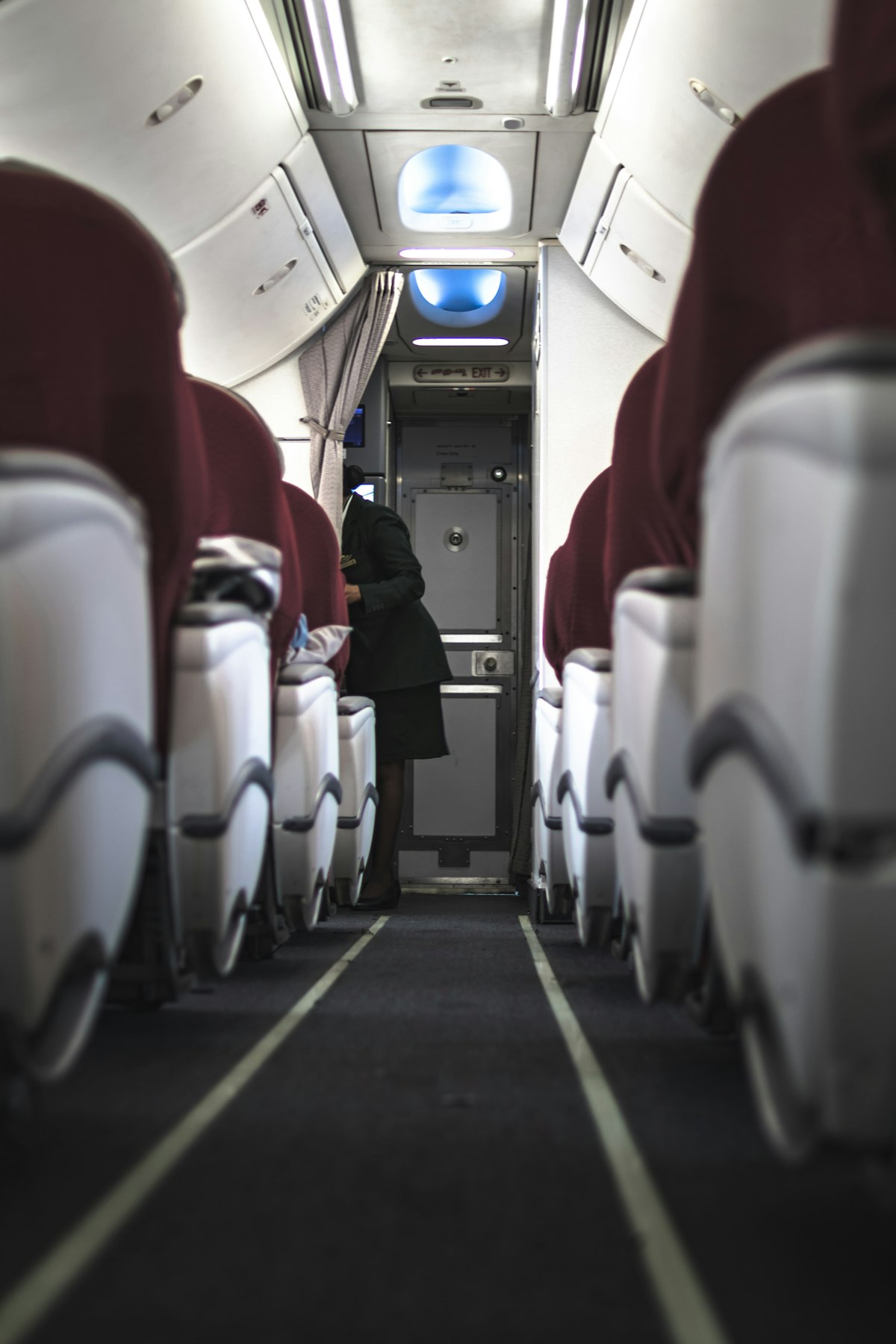
For occasional travelers, cosmic radiation is a curiosity. For people who work in airplanes, it’s a measurable occupational reality: aircrew are among the most radiation-exposed workers of any profession. According to CDC/NIOSH, the annual added dose for pilots and cabin crew typically runs 0.2 to 5 millisieverts depending on routes — more than most workers in hospital X-ray departments receive.
How the dose adds up
Flying 600–900 block hours a year means spending weeks on end at 33,000–39,000 feet, where the dose rate is about 100 times the sea-level value. On polar long-haul routes it accumulates fastest: a single flight to New York adds about 0.05 mSv — at ten rotations a month, that quickly becomes a meaningful annual dose.
How crews are protected
In Europe, airlines are required to monitor and document their crews’ radiation exposure — usually computed from route, altitude, and solar activity — under the same rules as other radiation workers, with a 20 mSv annual limit. In the U.S., the FAA officially considers aircrew occupationally exposed and publishes guidance and dose-calculation tools, though no binding federal dose limit applies; NIOSH actively studies crew health.
One special case matters most: pregnancy. NIOSH research links first-trimester cosmic radiation doses above 0.36 mSv to increased miscarriage risk, and European rules impose strict dose limits for the unborn child once a pregnancy is declared. Many airlines move pregnant crew to ground duty entirely.
And frequent flyers without the uniform?
A passenger who commutes intercontinentally every week can reach crew-like doses — with nobody monitoring them. It’s still no cause for panic: even an extra 5 mSv per year is comparable to the natural annual dose many people receive anyway. If you want your personal number, run your routes through the flight dose calculator — leg by leg.
The closing perspective: for most people, the lung cancer risk from radon in their own home outweighs any amount of air travel.